Acute chest syndrome (paediatric sickle cell)
Haematology · Paediatric
Physician-written · Verified by three sets of doctors · Reviewed November 2026
Bedside summary
New pulmonary infiltrate with respiratory symptoms (fever, chest pain, hypoxia, cough) in a child with sickle cell disease. A leading cause of death; may progress rapidly.
Figures & algorithms
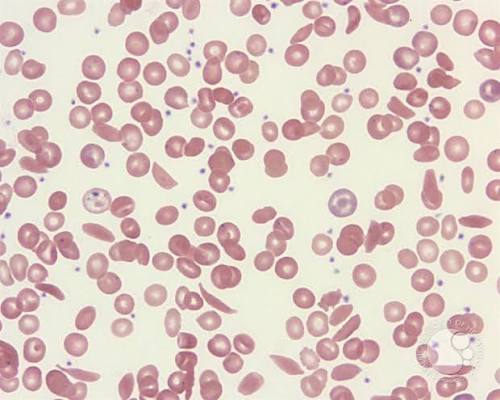
Red flags
- Rising oxygen requirement or falling SpO2
- Multilobar infiltrates
- Falling haemoglobin/platelets
- Altered mental status
Assessment
Differential diagnosis
- Pneumonia
- Pulmonary embolism
- Asthma exacerbation
- Fluid overload
- Fat embolism
Investigations
- Chest X-ray (new infiltrate)
- FBC, reticulocytes, group and save/crossmatch
- Blood cultures, atypical/viral screen
- ABG/SpO2 monitoring
- Baseline haemoglobin comparison
Management
- Give oxygen to maintain saturations and monitor closely
- Adequate analgesia (avoid over-sedation/hypoventilation) and encourage incentive spirometry
- Careful IV fluids - avoid overload
- Start broad-spectrum antibiotics including a macrolide for atypicals
- Transfuse (simple or exchange) per severity and haematology advice
- Involve haematology early; escalate to PICU if worsening hypoxia
Drugs & doses
Oxygen therapy
IV antibiotics (e.g. cephalosporin plus macrolide)
Opioid and multimodal analgesia
Bronchodilators if wheeze/reactive airways
Simple or exchange transfusion per protocol
Disposition
Admit under paediatrics/haematology; PICU for severe hypoxia.
Complications & pitfalls
- Respiratory failure
- Multi-organ failure
- Death
Exam pearls
- Incentive spirometry reduces progression during vaso-occlusive crises
- Balance analgesia against respiratory depression
- Exchange transfusion for severe or deteriorating disease
Disclaimer: Educational decision support for qualified clinicians and students — not a substitute for clinical judgement, local protocols or a full drug reference. Confirm every dose and contraindication against your formulary before prescribing.