IgG4-related disease (IgG4-RD; autoimmune pancreatitis, Mikulicz, retroperitoneal fibrosis)
Bedside summary
Immune-mediated fibroinflammatory condition that forms tumefactive (mass-like) lesions in virtually any organ, with characteristic histology (dense lymphoplasmacytic infiltrate rich in IgG4+ plasma cells, storiform fibrosis, obliterative phlebitis) and often (not always) raised serum IgG4. Common presentations: type 1 autoimmune pancreatitis, sclerosing cholangitis, bilateral salivary/lacrimal gland swelling (Mikulicz), orbital pseudotumour, retroperitoneal fibrosis, tubulointerstitial nephritis, aortitis. Typically older men. Frequently mistaken for malignancy or infection; highly glucocorticoid-responsive but relapses are common.
Figures & algorithms
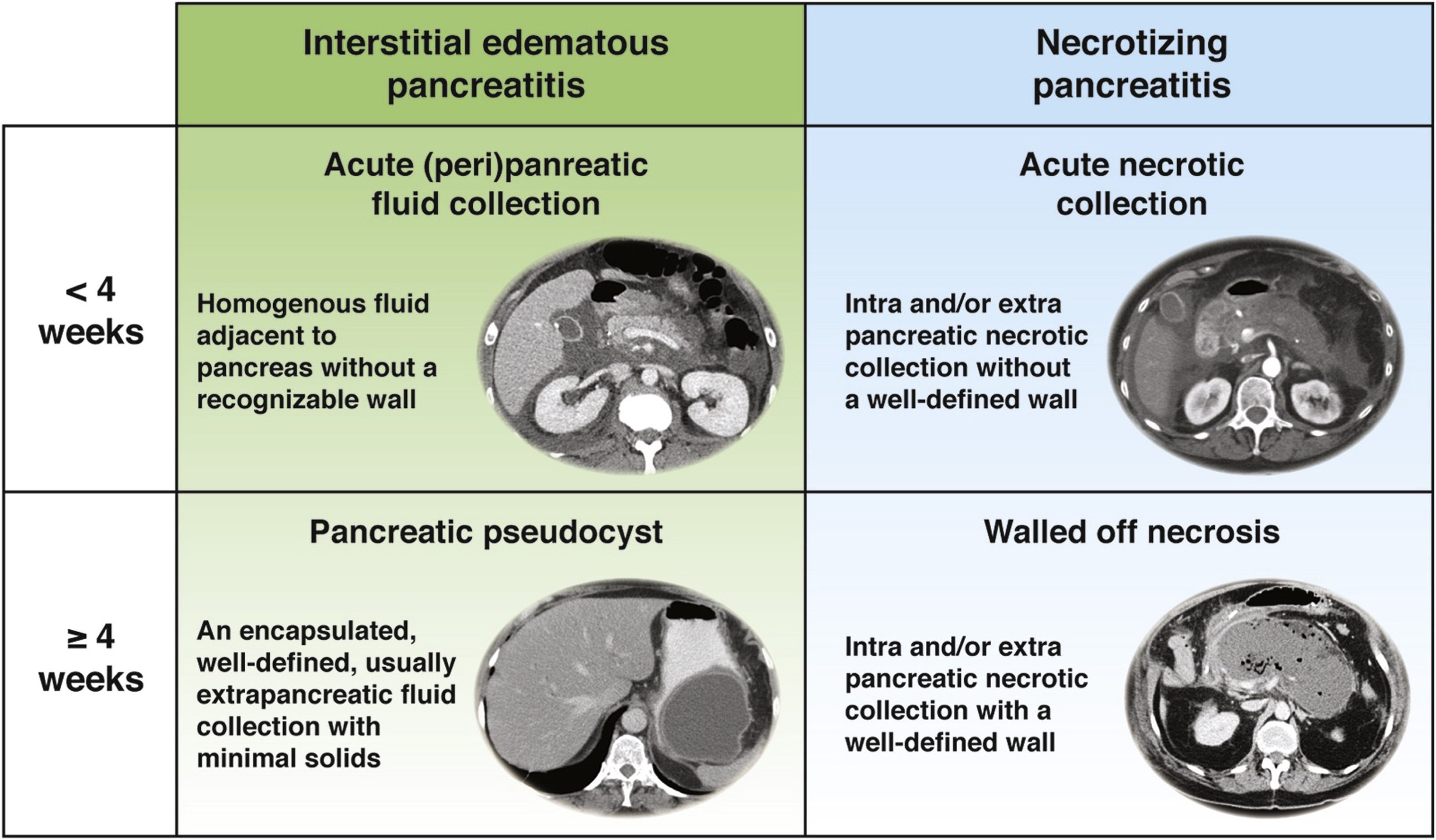
Red flags
- Obstructive jaundice / cholangitis — biliary involvement needs urgent decompression (and rule out cholangiocarcinoma)
- Back/abdominal pain with hydronephrosis — retroperitoneal fibrosis causing ureteric obstruction/AKI
- Chest/back pain, aneurysm — IgG4 aortitis/periaortitis (dissection/rupture risk)
- Mass lesion mimicking cancer — never immunosuppress without excluding malignancy
- Rapidly declining organ function — organ-threatening disease needs prompt steroids
Assessment
Differential diagnosis
- Malignancy (pancreatic/cholangiocarcinoma, lymphoma, orbital/salivary tumour) — must exclude with biopsy
- Sjogren syndrome (anti-Ro/La positive; IgG4-RD anti-Ro negative)
- Sarcoidosis, granulomatosis with polyangiitis
- Primary sclerosing cholangitis
- Idiopathic retroperitoneal fibrosis, Erdheim-Chester, histiocytoses
Investigations
- Serum IgG4 + total IgG/IgG subclasses (raised IgG4 supportive but ~30% normal; high levels can be malignancy/infection too)
- Biopsy of affected organ — diagnostic gold standard (storiform fibrosis, IgG4+/IgG+ plasma cell ratio, obliterative phlebitis)
- Cross-sectional imaging (CT/MRI) of involved organs; 'sausage' pancreas, periaortitis, renal cortical lesions
- PET-CT to map multi-organ involvement and guide biopsy
- Complement C3/C4 (low in active renal disease), eosinophils/IgE (often raised)
- Organ function: LFTs, amylase/lipase, U&E, urinalysis depending on site; exclude malignancy first
Management
- Establish diagnosis histologically where feasible and EXCLUDE malignancy/infection before immunosuppression
- Assess extent (PET-CT) and identify organ-threatening involvement (biliary obstruction, aortitis, renal, pancreatic)
- Induce remission with glucocorticoids — prednisolone ~0.6 mg/kg/day for 2-4 weeks then taper over 3-6 months (dramatic response typical)
- Use rituximab for relapsing, steroid-refractory, steroid-dependent disease or where steroids contraindicated (e.g. diabetes)
- Steroid-sparing agents (azathioprine, mycophenolate, methotrexate) sometimes added for maintenance
- Relieve mechanical obstruction (biliary stent for cholangitis, ureteric stent for retroperitoneal fibrosis) as needed
- Monitor for relapse clinically, biochemically (IgG4) and with imaging; attempt to stop steroids within ~3 years given elderly/comorbid population
- Screen and manage steroid complications (glucose, bone, infection)
Drugs & doses
Disposition
Complications & pitfalls
- Organ fibrosis and failure (pancreatic insufficiency, biliary cirrhosis, CKD)
- Ureteric obstruction/hydronephrosis from retroperitoneal fibrosis
- Aortic aneurysm/dissection
- Relapse (common) and steroid-related morbidity
- Diagnostic delay / misdiagnosis as malignancy
Exam pearls
- Always exclude malignancy and infection first — IgG4-RD forms tumefactive masses that mimic cancer; biopsy is gold standard.
- Serum IgG4 is supportive, not diagnostic — ~30% have normal levels and high levels occur in other conditions.
- Response to glucocorticoids is typically dramatic and is almost part of the diagnosis; relapse on tapering is common.
- Rituximab is the key agent for relapsing/steroid-dependent disease or when steroids are contraindicated (e.g. diabetes).
- Attempt to withdraw steroids within ~3 years — the population is elderly and steroid-vulnerable.
- Think IgG4-RD in retroperitoneal fibrosis, autoimmune pancreatitis, orbital pseudotumour and tubulointerstitial nephritis.
Disclaimer: Educational decision support for qualified clinicians and students — not a substitute for clinical judgement, local protocols or a full drug reference. Confirm every dose and contraindication against your formulary before prescribing.