Sickle cell disease - chronic management & hydroxycarbamide
SCD chronic · Haematology / Oncology
Physician-written · Verified by three sets of doctors · Reviewed November 2026
Bedside summary
Lifelong multidisciplinary care reducing vaso-occlusive events and organ damage through disease-modifying therapy, infection prophylaxis, vaccination, and surveillance. Hydroxycarbamide is the cornerstone disease-modifying agent.
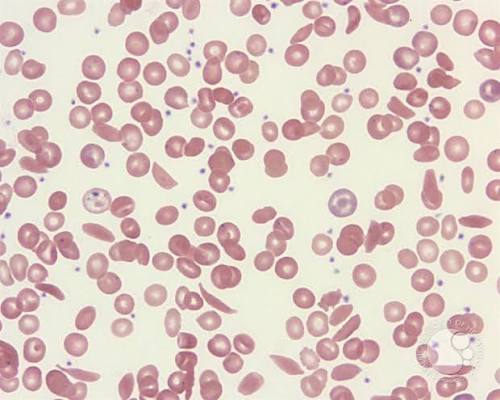
Figures & algorithms
Red flags
- New neurological deficit (stroke)
- Rising breathlessness / hypoxia (chest syndrome, pulmonary hypertension)
- Priapism over 4 hours
- Rapidly enlarging spleen with falling Hb (sequestration)
- Pregnancy (hydroxycarbamide must be stopped preconception)
Assessment
Differential diagnosis
- Other haemoglobinopathies (HbSC, HbS/beta-thalassaemia)
- Thalassaemia syndromes
- Chronic haemolytic anaemia of other cause
- Secondary pain syndrome
- Avascular necrosis
Investigations
- Baseline FBC, reticulocytes, HbF percentage
- Haemoglobin electrophoresis / HPLC confirmation
- Transcranial Doppler in children (stroke risk)
- Renal and liver function, urinalysis for proteinuria
- Annual retinal screening, echocardiography for pulmonary hypertension (TRV)
- Ferritin and iron status if transfused
Management
- Confirm genotype and establish a shared-care plan with a specialist centre
- Ensure vaccinations (pneumococcal, meningococcal, Hib, annual influenza, COVID) and lifelong penicillin prophylaxis
- Offer hydroxycarbamide to reduce painful crises, acute chest syndrome and transfusion need
- Start hydroxycarbamide and titrate upward every 8-12 weeks to maximum tolerated dose, monitoring FBC for cytopenias
- Give daily folic acid and address hydration, analgesia plan and crisis self-management
- Use chronic transfusion or exchange for primary/secondary stroke prevention and high TCD velocities
- Monitor for and manage iron overload with chelation if regularly transfused
- Screen annually for retinopathy, nephropathy, pulmonary hypertension and avascular necrosis
- Discuss newer agents (voxelotor, crizanlizumab, L-glutamine) and curative options (stem cell transplant, gene therapy) where appropriate
- Provide contraception/pregnancy counselling and psychological support
Drugs & doses
Hydroxycarbamide 15-20 mg/kg PO once daily, titrate by 5 mg/kg every 8-12 weeks to max ~35 mg/kg/day
Folic acid 5 mg PO once daily
Phenoxymethylpenicillin 250 mg PO twice daily (lifelong prophylaxis)
Deferasirox 14-28 mg/kg PO once daily if transfusional iron overload
Disposition
Specialist haemoglobinopathy centre shared care; regular outpatient surveillance; admit for acute complications.
Complications & pitfalls
- Cerebrovascular events
- Chronic kidney disease and proteinuria
- Pulmonary hypertension
- Avascular necrosis of femoral head
- Retinopathy, leg ulcers, iron overload
- Hydroxycarbamide-induced cytopenias
Exam pearls
- Hydroxycarbamide works largely by raising fetal haemoglobin - benefits accrue over months
- Stop hydroxycarbamide before conception (teratogenic)
- Annual transcranial Doppler guides stroke prophylaxis in children
- Penicillin prophylaxis and vaccination are lifesaving against encapsulated organisms
- Gene therapy and transplant now offer potential cure in selected patients
Disclaimer: Educational decision support for qualified clinicians and students — not a substitute for clinical judgement, local protocols or a full drug reference. Confirm every dose and contraindication against your formulary before prescribing.