Sickle cell — acute painful (vaso-occlusive) crisis
Bedside summary
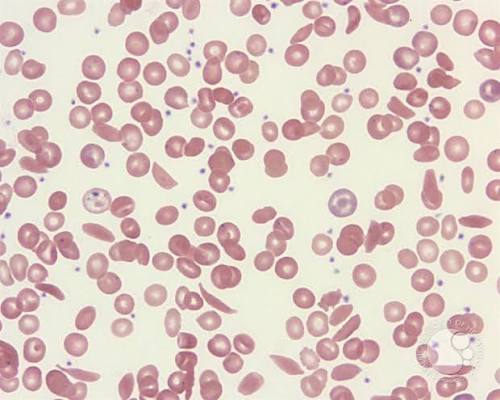
Vaso-occlusion by sickled cells causes severe ischaemic pain (back, chest, limbs, abdomen) — the commonest reason people with SCD attend the ED, and a medical emergency. Pain is frequently UNDER-treated; it must be assessed and relieved rapidly, while screening for a serious precipitating complication (especially acute chest syndrome, infection or stroke).
Figures & algorithms
Red flags
- New hypoxia, chest pain, fever, tachypnoea or infiltrate (acute chest syndrome)
- Fever / sepsis (functional asplenia)
- Focal neurology (stroke)
- Priapism; rapidly enlarging spleen/liver + falling Hb (sequestration)
- Pain unresponsive to escalating opioids
Assessment
Differential diagnosis
- Acute chest syndrome
- Infection / sepsis (functional asplenia)
- Splenic or hepatic sequestration
- Osteomyelitis / septic arthritis
- Cholecystitis / girdle syndrome
- Stroke; priapism; aplastic crisis
- Non-SCD cause of pain
Investigations
- Do NOT delay analgesia for tests
- FBC + reticulocytes (vs the patient’s baseline), U&E, LFTs, LDH, CRP, group & save
- SpO₂ and temperature; CXR if any respiratory symptom, hypoxia or chest pain (acute chest syndrome)
- Cultures if febrile; targeted imaging for focal signs (limb, abdomen, neuro)
Management
- RAPID TRIAGE + ANALGESIA within 30–60 min of arrival — treat as an emergency and use the patient’s known effective regimen/individual plan.
- Moderate–severe pain: strong PARENTERAL OPIOIDS (e.g. IV morphine or hydromorphone), titrated with frequent reassessment (every 15–30 min) and re-dosing; consider PCA. AVOID pethidine/meperidine (normeperidine seizures).
- Add adjuncts: paracetamol and an NSAID (if no renal contraindication); do not rely on NSAIDs alone for severe pain.
- Supportive: keep warm; sensible hydration (oral if able — avoid over-hydration/pulmonary oedema); supplemental oxygen ONLY if hypoxic; treat the precipitant (e.g. antibiotics for infection).
- ACTIVELY SCREEN for and treat serious complications — acute chest syndrome (high suspicion; CXR, hypoxia, new infiltrate), sepsis, sequestration, stroke, priapism, AKI; involve haematology.
- Reassess pain scores and side-effects (sedation, respiration, constipation, pruritus); step down and plan discharge with an action plan when controlled.
Drugs & doses
Disposition
Complications & pitfalls
- Acute chest syndrome (leading cause of death)
- Overwhelming sepsis
- Stroke; multi-organ failure
- Opioid over-sedation / respiratory depression
- Under-treatment and loss of trust
Exam pearls
- Believe the pain and treat it fast — SCD pain is routinely undertreated; use the patient’s own effective dose.
- Always ask “why now?” — hunt for acute chest syndrome, infection and stroke behind the pain.
- Oxygen only helps if hypoxic; over-hydration can precipitate acute chest syndrome.
- Never use pethidine; do use frequent reassessment and re-dosing.
Analgesia within 30–60 min with titrated parenteral opioids + adjuncts and frequent reassessment, while actively screening for acute chest syndrome, sepsis and stroke. Warm, sensible hydration, oxygen only if hypoxic, and haematology involvement.
Disclaimer: Educational decision support for qualified clinicians and students — not a substitute for clinical judgement, local protocols or a full drug reference. Confirm every dose and contraindication against your formulary before prescribing.