Ischaemic priapism (including sickle cell)
Urological/haem emergency · Haematology / Oncology
Physician-written · Verified by three sets of doctors · Reviewed November 2026
Bedside summary
A prolonged painful erection from impaired venous outflow (low-flow, ischaemic), a compartment-syndrome-like emergency. Causes include sickle cell disease, medications and idiopathic; prolonged episodes risk permanent erectile dysfunction.
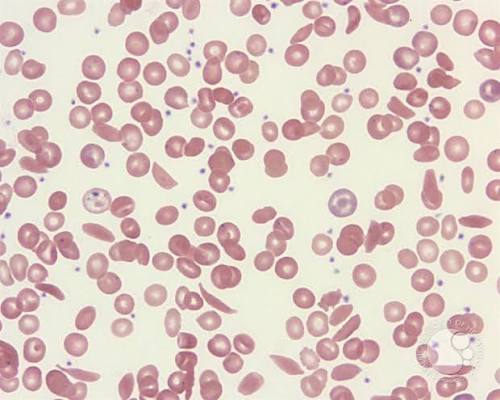
Figures & algorithms
Red flags
- Duration >4 hours (ischaemic)
- Failure to detumesce after aspiration/phenylephrine
- Signs of tissue necrosis
Assessment
Differential diagnosis
- Non-ischaemic (high-flow) priapism (typically painless, post-traumatic)
- Stuttering (recurrent) priapism
- Penile trauma
- Drug-induced priapism (e.g. intracavernosal agents, trazodone)
Investigations
- Corporal blood gas (ischaemic: hypoxic, acidotic, dark blood)
- FBC and, if relevant, sickle screen/haemoglobin electrophoresis
- Penile Doppler if high-flow suspected
- Toxicology/drug history
Management
- Analgesia; treat as time-critical (ischaemic priapism >4 hours needs intervention)
- Corporal aspiration +/- irrigation, then intracavernosal phenylephrine injection
- For sickle cell: add hydration, oxygen, analgesia and involve haematology (exchange transfusion in refractory cases)
- Urology referral; surgical shunt if refractory to aspiration/phenylephrine
- Identify and address precipitants (drugs, medications)
Drugs & doses
Intracavernosal phenylephrine (diluted, titrated, with cardiac monitoring)
Analgesia
IV fluids and oxygen (sickle cell)
Consider exchange transfusion in refractory sickle-related cases
Disposition
Urology involvement; admit sickle-related or refractory cases with haematology.
Complications & pitfalls
- Permanent erectile dysfunction
- Corporal fibrosis
- Recurrence
Exam pearls
- Ischaemic priapism is a compartment-syndrome emergency - the longer it lasts, the worse the outcome.
- Corporal blood gas differentiates ischaemic (dark, hypoxic) from high-flow priapism.
- Monitor for hypertension/arrhythmia when giving intracavernosal phenylephrine.
Disclaimer: Educational decision support for qualified clinicians and students — not a substitute for clinical judgement, local protocols or a full drug reference. Confirm every dose and contraindication against your formulary before prescribing.