Acute sickle hepatic crisis / hepatic sequestration
Bedside summary
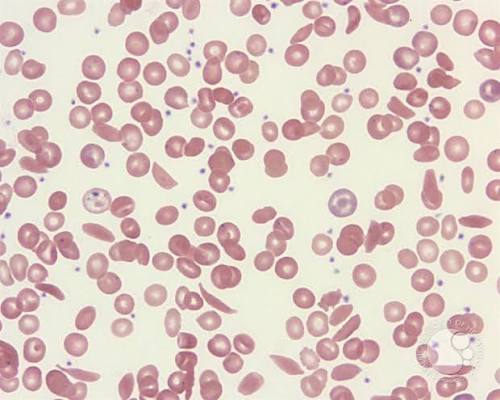
A spectrum of acute hepatic complications of sickle cell disease: hepatic sequestration (rapid liver enlargement with a falling haemoglobin), acute sickle hepatic crisis (right-upper-quadrant pain, fever, jaundice with raised transaminases) and, most severe, acute intrahepatic cholestasis with markedly high bilirubin, coagulopathy and organ failure. Recognition matters because severe cases need exchange transfusion and supportive care, and the differentials (gallstones, viral hepatitis, sepsis) must be addressed.
Figures & algorithms
Red flags
- Rapidly enlarging tender liver with falling Hb (hepatic sequestration)
- Markedly elevated bilirubin with coagulopathy/encephalopathy (acute intrahepatic cholestasis)
- Haemodynamic instability
- Concurrent acute chest syndrome or multi-organ failure
Assessment
Differential diagnosis
- Acute cholecystitis / choledocholithiasis (gallstones are very common in SCD)
- Viral or drug-induced hepatitis, sepsis, iron overload
- Distinguish benign hepatic crisis from severe intrahepatic cholestasis (very high bilirubin, coagulopathy)
- Concurrent vaso-occlusive crisis or acute chest syndrome
Investigations
- FBC and reticulocytes (falling Hb with reticulocytosis suggests sequestration), LFTs (bilirubin, transaminases, ALP), coagulation
- Group & save/crossmatch; LDH, haptoglobin; renal function; blood cultures if febrile
- Abdominal US for liver size, biliary pathology and gallstones; viral hepatitis screen
- Monitor Hb and bilirubin trends and haemodynamics closely
Management
- Resuscitate and give analgesia and oxygen; monitor Hb closely for a falling haemoglobin (sequestration).
- Provide IV hydration (avoid over-hydration) and treat any precipitant/infection.
- Transfuse for symptomatic or rapidly falling haemoglobin; beware over-transfusion as sequestered blood can remobilise (hyperviscosity risk).
- For severe acute intrahepatic cholestasis (very high bilirubin, coagulopathy, encephalopathy) arrange urgent EXCHANGE transfusion and intensive supportive care.
- Correct coagulopathy as needed; exclude and manage biliary disease (common in SCD).
- Involve haematology early; escalate to HDU/ICU and hepatology for liver failure.
Drugs & doses
Disposition
Complications & pitfalls
- Circulatory collapse from sequestration
- Acute liver failure (intrahepatic cholestasis)
- Over-transfusion/hyperviscosity when sequestered cells remobilise
- Biliary complications (gallstones, cholangitis)
Exam pearls
- A falling haemoglobin with a rapidly enlarging liver signals hepatic sequestration.
- Severe intrahepatic cholestasis (very high bilirubin + coagulopathy) needs urgent exchange transfusion.
- Transfuse cautiously — sequestered blood can remobilise and cause hyperviscosity.
Educational — confirm all doses against local policy. Antibiotic doses per BNF (current edition); confirm choice in the in-app Antibiotic Dosing tool.
Disclaimer: Educational decision support for qualified clinicians and students — not a substitute for clinical judgement, local protocols or a full drug reference. Confirm every dose and contraindication against your formulary before prescribing.