Post-ERCP pancreatitis
Pancreatitis · Gastroenterology
Physician-written · Verified by three sets of doctors · Reviewed November 2026
Bedside summary
The commonest serious complication of ERCP (around 3–10%), caused by papillary trauma and pancreatic duct injury. The highest-yield intervention is PREVENTION in high-risk cases — rectal NSAIDs and, for selected patients, a prophylactic pancreatic duct stent and aggressive peri-procedural hydration. Recognise and manage established cases as for acute pancreatitis.
Figures & algorithms
Red flags
- Severe/worsening pain with signs of perforation (free air, surgical emphysema)
- Organ failure
- Fever/jaundice suggesting cholangitis
- Haemodynamic instability
Assessment
Differential diagnosis
- Transient post-ERCP hyperamylasaemia WITHOUT pain (not pancreatitis)
- Post-ERCP perforation, cholangitis, bleeding
- Pre-existing pancreatitis / other abdominal pathology
Investigations
- New or worsening abdominal pain after ERCP with lipase/amylase >3x upper limit at ≥2–24h post-procedure
- Observe for perforation (CT if severe pain, free air, deterioration) and cholangitis
Management
- PREVENT in high-risk patients (young women, suspected sphincter of Oddi dysfunction, difficult cannulation, pancreatic duct injection): give rectal NSAID immediately before/after ERCP unless contraindicated.
- Use peri-procedural aggressive IV hydration with lactated Ringer's in selected high-risk patients, and consider a prophylactic pancreatic duct stent.
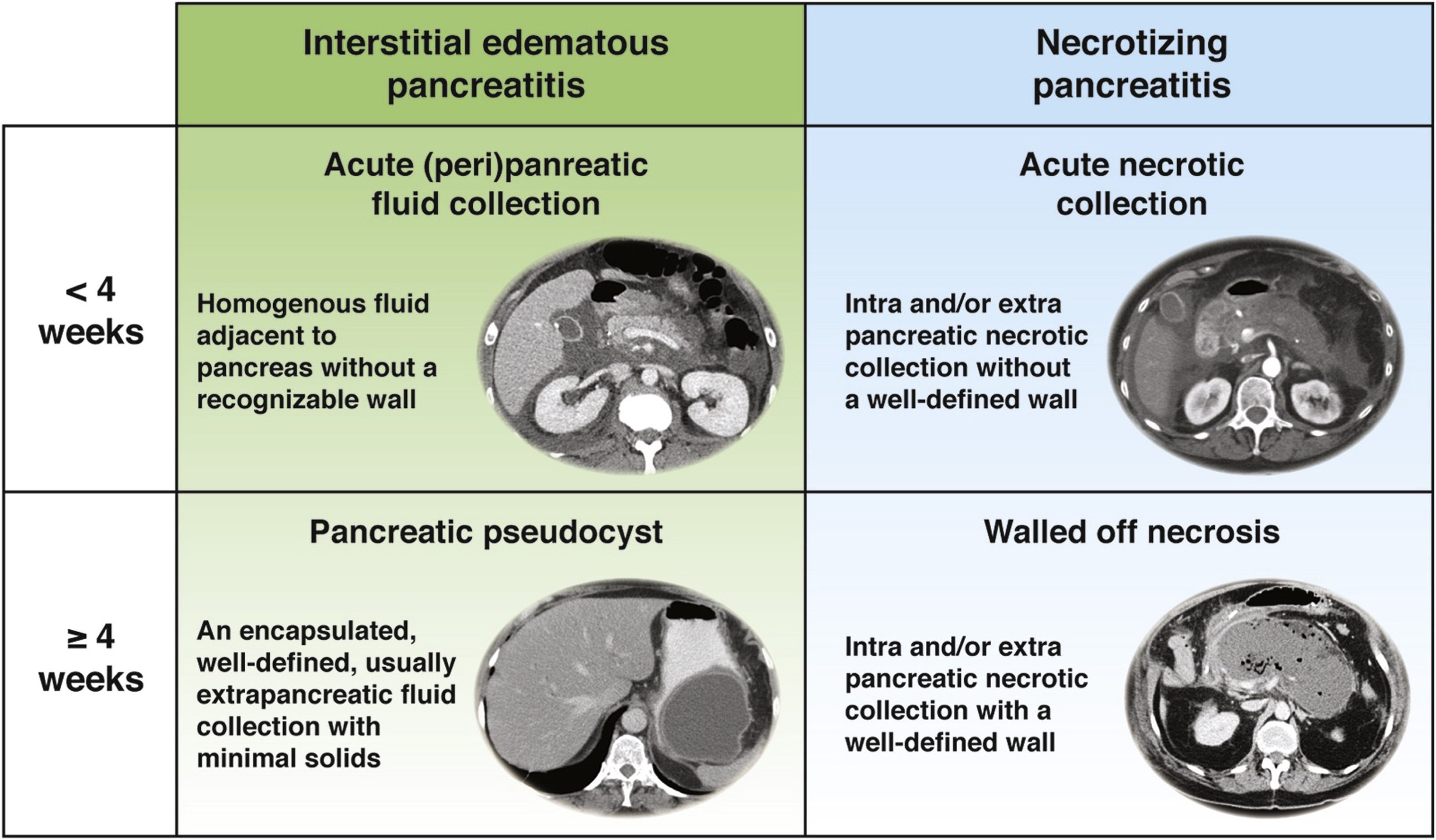
- Diagnose established post-ERCP pancreatitis on new pain plus raised enzymes; admit and manage as acute pancreatitis.
- Give goal-directed fluids, analgesia, antiemetics and early enteral feeding; monitor for organ failure.
- Exclude perforation and cholangitis if the picture is atypical or severe.
- Grade severity and escalate care for severe/necrotising disease.
Drugs & doses
Rectal diclofenac or indometacin 100 mg peri-procedure for prophylaxis in high-risk ERCP (confirm against local policy)
Lactated Ringer's / Hartmann's peri-procedural hydration in high-risk cases (confirm against local policy)
Opioid analgesia and antiemetic; goal-directed fluids once established (confirm against local policy)
Disposition
Admit for observation and supportive care; escalate to HDU/ICU for severe disease; discharge mild cases once pain settles and oral intake returns.
Complications & pitfalls
- Severe/necrotising pancreatitis
- Coexisting perforation or bleeding
- Organ failure
Exam pearls
- Rectal NSAIDs reduce post-ERCP pancreatitis — give to high-risk patients unless contraindicated.
- A prophylactic pancreatic stent and aggressive Ringer's hydration help selected high-risk cases.
- Hyperamylasaemia without pain is not pancreatitis.
Educational — confirm all doses against local policy.
Disclaimer: Educational decision support for qualified clinicians and students — not a substitute for clinical judgement, local protocols or a full drug reference. Confirm every dose and contraindication against your formulary before prescribing.