Reperfusion injury / post-revascularisation compartment syndrome
Reperfusion · Vascular
Physician-written · Verified by three sets of doctors · Reviewed November 2026
Bedside summary
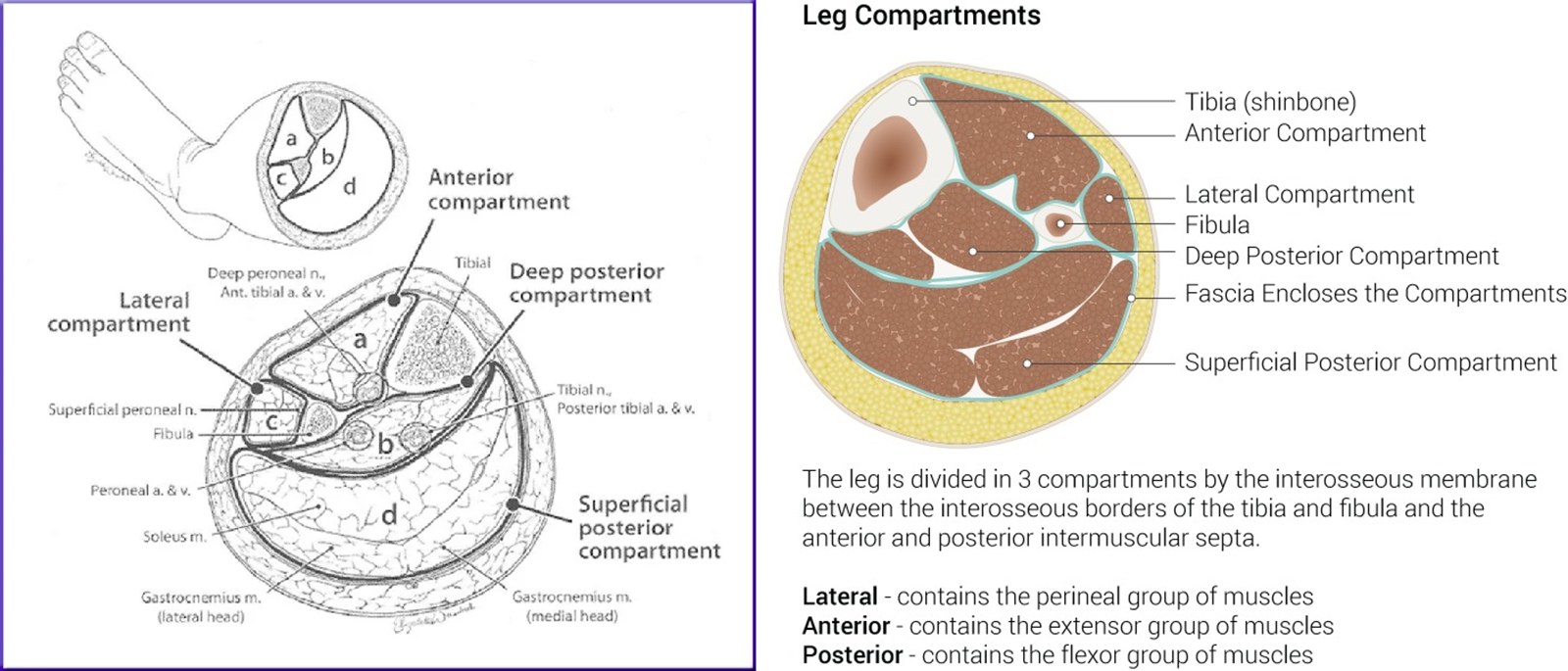
Restoring flow to an ischaemic limb releases potassium, myoglobin and acid, and causes muscle swelling that can produce compartment syndrome, hyperkalaemia, rhabdomyolysis and AKI. Monitoring compartments and prophylactic fasciotomy are key.
Figures & algorithms
Assessment
Investigations
- Monitor the limb after revascularisation (pain, tense swelling, pain on passive stretch)
- Potassium, CK, gas, renal function; ECG
- Urine for myoglobin
Management
- Anticipate and monitor for compartment syndrome - low threshold for fasciotomy
- Treat hyperkalaemia urgently
- IV fluids for rhabdomyolysis; protect renal function
- Correct acidosis; monitor potassium closely
- Vascular/critical-care involvement
Drugs & doses
Fasciotomy (compartment syndrome)
Treat hyperkalaemia
IV fluids (rhabdomyolysis)
Disposition
Vascular/ICU.
After revascularising a long-ischaemic limb, watch for compartment syndrome and hyperkalaemia - reperfusion can kill the patient or the limb.
Disclaimer: Educational decision support for qualified clinicians and students — not a substitute for clinical judgement, local protocols or a full drug reference. Confirm every dose and contraindication against your formulary before prescribing.